Your phone lights up in the middle of the night. A camera has detected movement behind your Toronto property. You can see a figure near a restricted entrance, but what happens next? Is someone reviewing the activity? Can they warn the person, contact your team or send help?
Because at that hour, clarity matters as much as footage.
That is the difference between owning cameras and having a complete security response. A system may record continuously without anyone actively assessing what it captures. Effective 24 Hour surveillance monitoring Toronto connects detection to verification, deterrence and a clear response plan.
For many businesses, condominiums, construction sites and residential communities, the right choice is not simply guards or cameras. It is the combination that fits the property’s layout, operating hours and actual risks. Ultimate Security Services provides on-site personnel, real-time monitoring and AI-powered security options that can work independently or together. This guide will help you understand those choices before the next alert.
What Does 24 Hour Surveillance Monitoring Toronto Actually Mean?
The phrase “24/7 surveillance” is often used loosely. Continuous video recording means cameras capture and store footage. That footage may help explain what happened, but recording alone does not guarantee that anyone sees an incident as it unfolds.
Active monitoring adds observation and response. A triggered alarm, motion detector or camera event can be reviewed by trained personnel. When a situation requires action, the response may include notifying a property contact, coordinating with security personnel or dispatching someone to the location. The Ultimate Security Services Operations Centre is described by the company as a real-time monitoring facility staffed by experienced security professionals. Its systems receive live CCTV and motion-detector information, while the team coordinates responses and field personnel.
AI-assisted surveillance adds another layer by analyzing defined activity and producing alerts when configured conditions are met. The practical question is not whether a camera records for 24 hours. It is whether your system can detect relevant activity, verify it and start the appropriate response.
Live Security Guards or Remote Video Monitoring?
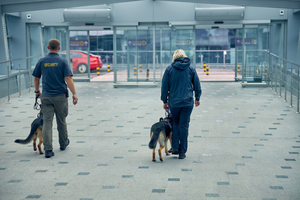
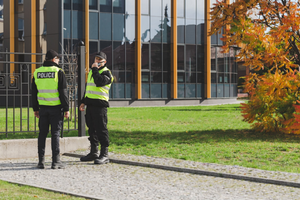
On-site security guards give your property something technology cannot provide by itself: a trained person who is physically present. Guards can conduct patrols, manage access and respond when a situation develops. This makes them relevant for occupied condominiums, events, offices and properties where people need assistance as well as protection.
Remote video monitoring offers a different advantage. A monitoring team can assess camera or alarm information without being stationed across the property. The USS Operations Centre can review live surveillance information, respond to triggered incidents and dispatch security personnel when needed. That connection is more meaningful than receiving an unexplained phone notification.
| Option | Best suited for | Main strength | Main limitation |
| On-site guards | Occupied and access-controlled properties | Physical presence and direct response | One person cannot view every area simultaneously |
| Remote monitoring | After-hours and multi-camera properties | Central observation and coordinated response | Effectiveness depends on camera placement and response planning |
| Combined coverage | Higher-risk or complex properties | Human presence supported by wider visibility | Requires a properly designed security plan |
How AI Surveillance Adds Faster Detection and Deterrence
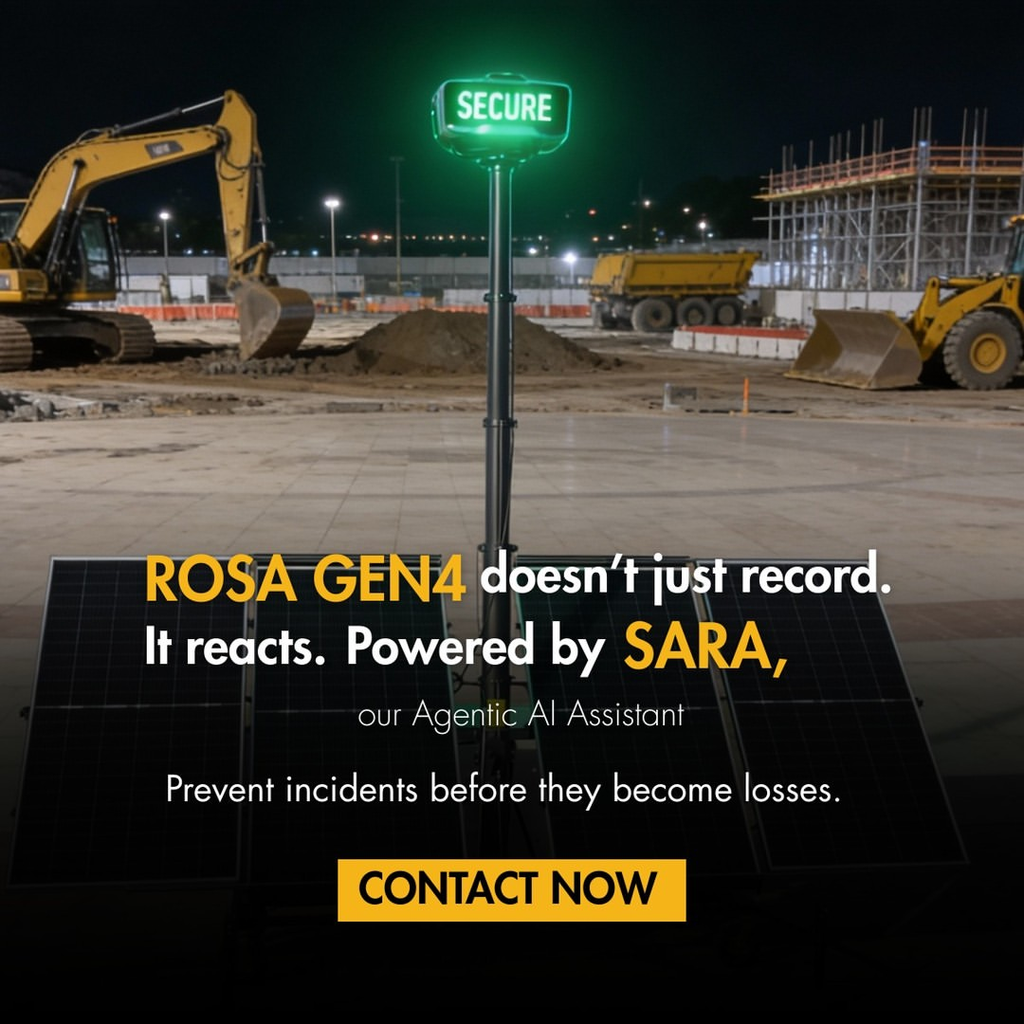
AI surveillance is most useful when it helps your team focus on defined activity instead of treating every movement equally. SentinelAI is presented by Ultimate Security Services as an intelligent option that can identify unauthorized entry or suspicious movement, issue alerts and connect with existing security systems and mobile devices.
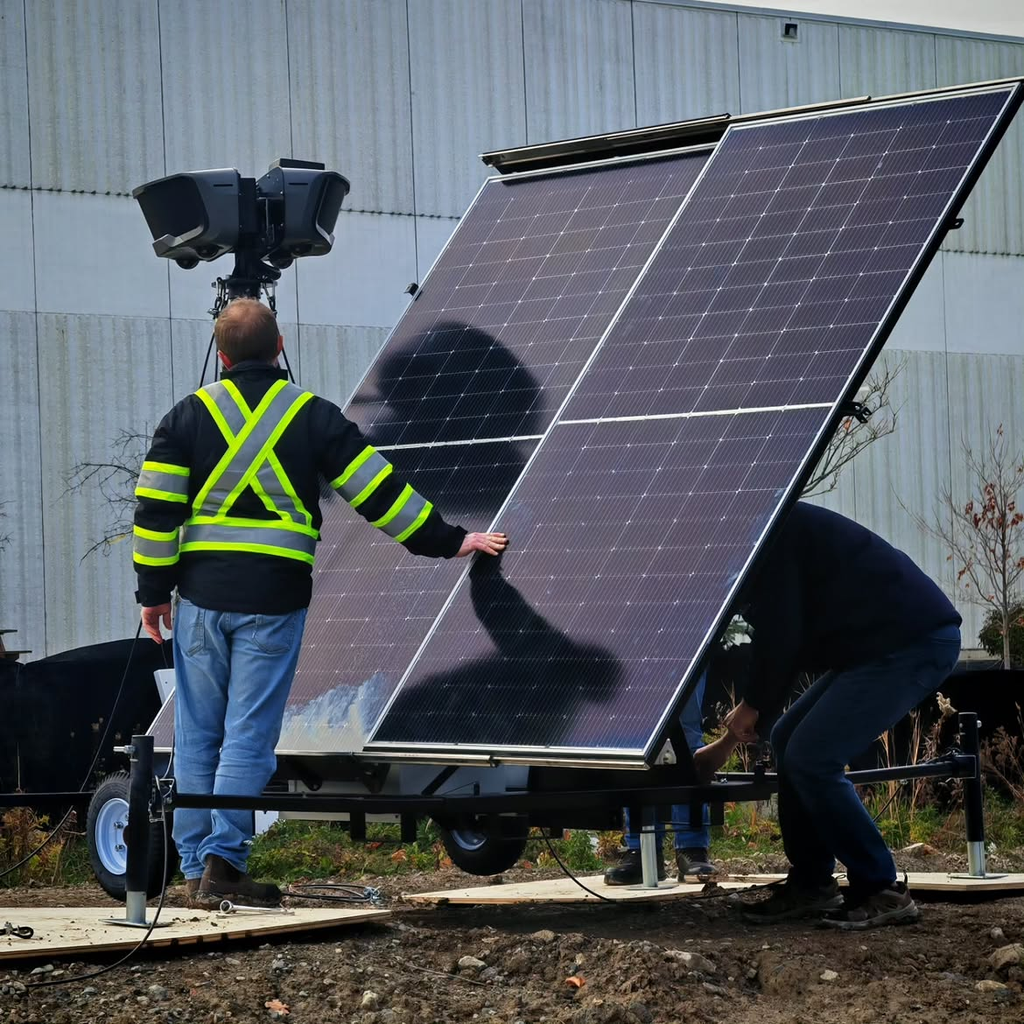
USS also offers several RAD security products for different environments. ROSA Gen4 combines AI-driven detection with 180-degree surveillance, audio warnings and visible LED messages. Its page describes detection for people, vehicles, loitering and configured perimeter activity. RIO is a self-contained, solar-powered security unit designed for outdoor locations. Available configurations provide 180-degree or 360-degree coverage, cellular connectivity and automated audio or visual deterrence. RadCam Enterprise brings AI detection, voice deterrence and alert escalation to a fixed-camera format.
These tools do not remove the need for planning. Their value comes from matching technology to a clear use case. A construction perimeter, condominium entrance and warehouse loading area each create different activity, blind spots and response requirements.
Why a Hybrid Security Plan Often Provides Stronger Coverage
Picture a condominium garage after midnight. An AI-enabled camera identifies someone lingering near a vehicle. Remote monitoring provides visual context. If the activity requires an on-site response, security personnel can be directed to the right area with better information. Each layer has a clear role, and no single layer is expected to do everything.
This is why hybrid security can suit complex Toronto properties. A construction site may use RIO for outdoor detection and deterrence with defined escalation procedures. A warehouse may combine fixed cameras with remote monitoring around loading areas. A condominium may need guards for access control while cameras improve visibility across entrances, garages and shared spaces.
Ultimate Security Services already provides the main components required for this layered approach, including security guards, mobile security, monitoring and AI security technology. The strongest plan begins with the property rather than a preferred product. Your schedule, layout, valuable areas, public access and expected response should determine which layers are needed.
What Toronto Property Owners Should Consider Before Installing Surveillance
Before selecting equipment, consider what could realistically happen at your property. Look at where people and vehicles enter, which areas become quiet after hours, where valuable assets are stored and who should be contacted. Camera placement matters because a system cannot assess what it cannot see. An alert without a defined next step can still leave you exposed.
Privacy must also be part of the design. The Office of the Privacy Commissioner of Canada advises private organizations to establish a legitimate purpose, limit camera coverage, provide notice, restrict access to recordings and retain information only as long as necessary. Audio recording and advanced identification features require additional care because they may collect more sensitive information than ordinary video.
Ultimate Security Services offers security consulting alongside its guard and technology services. A professional assessment can help identify vulnerabilities and develop a plan suited to the property. Before approving any proposal, ask how activity will be detected, who will verify it, what response follows, how the system handles connectivity problems and how recorded information will be protected.
Do Not Settle for Cameras That Only Show You What Went Wrong
The hardest part of a security incident is feeling that something could have been done sooner. Footage may explain a loss, but it cannot replace a response that was never activated. Your surveillance plan should answer one question: when something unusual happens, who or what takes the next step?
Ultimate Security Services brings together trained security guards, mobile personnel, real-time Operations Centre support and AI-powered surveillance options for Toronto properties. That range allows the recommendation to begin with your risks, rather than forcing every site into the same package. Whether you manage a condominium, commercial building, construction site, warehouse or residential community, the objective is the same: connect visibility with a response designed for your environment.
Do not wait for an incident to reveal the blind spots in your current system. Contact Ultimate Security Services or call 416-399-1550 to request a Toronto site security assessment. Review your current coverage, clarify your response plan and find out whether guards, remote monitoring, AI surveillance or a carefully designed combination is right for your property.
Frequently Asked Questions
Is 24-hour recording the same as live monitoring?
No. Continuous recording stores footage for later review. Live monitoring involves trained personnel receiving and assessing surveillance information so an agreed response can begin when an incident or alarm requires attention.
Can AI surveillance replace on-site security guards?
Not in every situation. AI can detect configured activity and trigger alerts or deterrence features, but guards provide physical presence, access control, patrols and direct assistance. Many properties benefit from combining both.
What happens when remote monitoring detects suspicious activity?
The response depends on the site plan. The Ultimate Security Services Operations Centre can monitor live CCTV and motion-detector information, respond to triggered incidents and dispatch security personnel when needed.
Is commercial video surveillance legal in Toronto?
Video surveillance must be implemented with applicable privacy requirements in mind. Businesses should establish a legitimate purpose, limit camera coverage, provide notice, restrict access to recordings and use a documented retention policy.
How much does 24/7 surveillance monitoring cost?
Costs depend on the property, coverage, service duration and chosen combination. A site assessment helps determine what protection is necessary without paying for unsuitable coverage.