Picture a Friday evening. A resident’s parents arrive for dinner, but every visitor space is occupied. One vehicle is not registered. Another appears to have remained beyond its approved time. The resident calls management, the guests wait outside, and a simple visit begins with embarrassment instead of a welcome.
That moment explains why condo visitor parking management Toronto involves more than finding an empty space. Parking rules, guest registration, garage entry, access credentials, signs, cameras, and staff procedures all affect the same visitor journey. When one part fails, residents often feel the whole building has failed them.
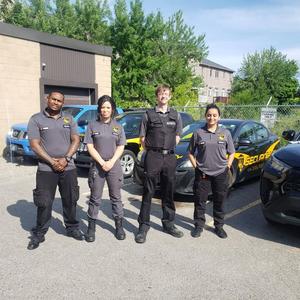
Ultimate Security Services provides condo-focused services that include security guards, concierge and reception service, mobile patrol, parking enforcement, patrols and inspections, remote video monitoring, and remote entry and exit management. Its separate access-control service includes systems intended to manage who may enter a property.
Toronto condos can reduce unauthorized visitor parking by setting clear rules, using time-limited guest authorization, coordinating parking with building access, and following a documented enforcement process. The aim is not to treat every unfamiliar vehicle as a threat. It is to give residents, guests, staff, and management a process they can understand and trust.
Why Visitor Parking and Building Access Must Work Together
An unauthorized vehicle is one using a visitor or restricted space without permission under that condominium’s rules. The situation may involve deliberate misuse, but it can also begin with an expired registration, a resident who entered the wrong plate, a contractor in the wrong area, or a guest who could not reach anyone through the intercom.
Managing parking separately from access makes those mistakes harder to resolve. A parking record may show no valid authorization while the concierge has already confirmed the guest. A resident may register a vehicle but provide no usable way for the visitor to enter the garage or lobby. Staff are then forced to make decisions with incomplete information while a legitimate guest waits.
A better workflow connects the steps. The resident identifies the visitor and approved parking window. The guest follows the stated entry route. Staff can verify the authorization, and any exception moves through a defined follow-up process. The USS condo security page lists parking enforcement, concierge and reception service, mobile patrol, remote video monitoring, and remote entry and exit management among its available services. That service mix gives boards and property managers several options to consider when building a coordinated process for their property.
Start With Clear, Enforceable Visitor Parking Rules
Before changing technology or enforcement, confirm what the condominium’s governing documents permit. The Condominium Authority of Ontario explains that a condo’s declaration, bylaws, and rules form a hierarchy and must meet applicable consistency, reasonableness, and procedural requirements. Boards should obtain qualified guidance when a proposed change could affect legal rights or enforcement authority.
The written parking policy should answer questions residents face in real life:
- Who qualifies as a visitor?
- Must the vehicle be registered before arrival?
- How long may a guest park, including overnight?
- Where should caregivers, contractors, and delivery drivers stop?
- How are accessible spaces, loading areas, and restricted zones handled?
- What happens when authorization expires?
- How can a resident report an error or dispute an action?
Use the same plain wording in resident notices, registration screens, signs, and staff instructions. If a rule appears only in a handbook that nobody can find, it will not guide a guest arriving after hours. Consistent communication also gives management a fairer starting point when a violation occurs. Residents may not welcome every restriction, but they are more likely to understand a process that is visible, predictable, and connected to the governing documents they already share.
Build a Guest Verification Process People Will Actually Use
A visitor registration process should be simple enough to use before every visit. One practical workflow records the unit, licence plate, arrival time, expected departure, and current authorization status. The approval should expire automatically or move to review when the permitted period ends. This helps staff distinguish an active guest from a vehicle whose permission has lapsed.
Do not make a smartphone the only route. A portal or app may work for many residents, while a concierge, intercom, or telephone option may be more suitable for someone facing an accessibility, language, or technology barrier. The building should also define what happens when an unexpected caregiver, family member, or service provider arrives after hours.
Keep privacy in the process. The Office of the Privacy Commissioner of Canada advises organizations using video surveillance to define its purpose, provide notice, limit camera coverage, restrict access to recordings, store them securely, and destroy them when no longer required. Its guidance also recommends considering less privacy-intrusive options first. See the federal video-surveillance guidelines.
USS states that its parking enforcement services can include parking-management systems and licence-plate-recognition technology. Any chosen tool should support the building’s approved rules, privacy practices, and visitor experience rather than create another disconnected step.
Strengthen Garage and Building Access Control
Follow the path of a first-time guest from the driveway to the resident’s door. Test the gate, intercom, access-card reader, remote-entry process, garage-to-lobby door, elevator restrictions, pedestrian exit, and loading area. Record where instructions are missing, equipment fails, or staff receive unclear information. A system that works during a daytime test may still need a defined response for an after-hours failure.
Credential control deserves the same attention. Review active cards or fobs and promptly remove access that is no longer authorized. The USS access-control page describes keycard and biometric options, access software that can log attempts, and the ability to deactivate lost or stolen access cards remotely. USS also lists remote entry and exit management and remote video monitoring among its condo security services.
Cameras can help staff review an incident or confirm what occurred in a covered area, but they do not operate a faulty gate, correct an expired credential, or explain a confusing visitor rule. A registered guest should not have to call several people to enter. Staff should not feel pressured to grant access they cannot confirm. Reliable equipment, current credentials, clear instructions, and a documented exception process protect both sides of that uncomfortable moment.
Apply Parking Enforcement Fairly and Consistently
Enforcement quickly loses credibility when similar vehicles receive different treatment. Give staff and any outside provider a written sequence to follow: verify the vehicle and registration, record the relevant facts, apply the building’s approved warning or escalation step, and note any follow-up. Management should also provide a clear route for residents to report an error or challenge an action.
Each record can include the date, time, location, licence plate, authorization status, applicable rule, supporting evidence, action taken, and person responsible for follow-up. This is a recommended operational record, not a substitute for legal advice or the condominium’s own document requirements.
Toronto also regulates businesses that enforce parking for others on private property. The City of Toronto states that a business issuing tags, tickets, or notices on someone else’s private property must obtain a Private Parking Enforcement Agency licence. The City distinguishes those providers from qualifying in-house operations. Boards should confirm any ticketing or towing procedure with qualified property-management or legal professionals before adopting it.
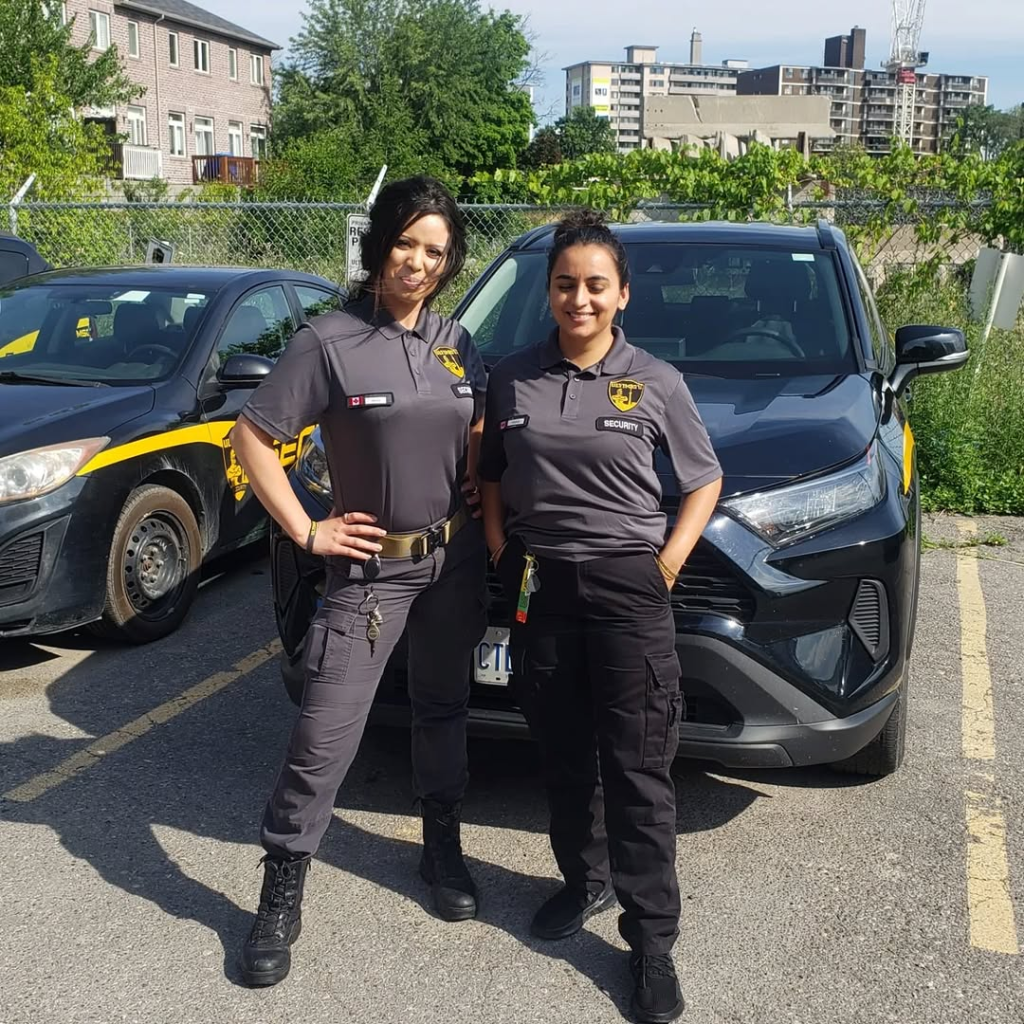
Ultimate Security Services provides parking enforcement in Toronto, including regular patrols, citation issuance, towing when needed, parking-management systems, and licence-plate-recognition technology. The exact response at a condo must still follow the property’s approved authority, procedures, and circumstances.
When Do Mobile Patrols Add Value?
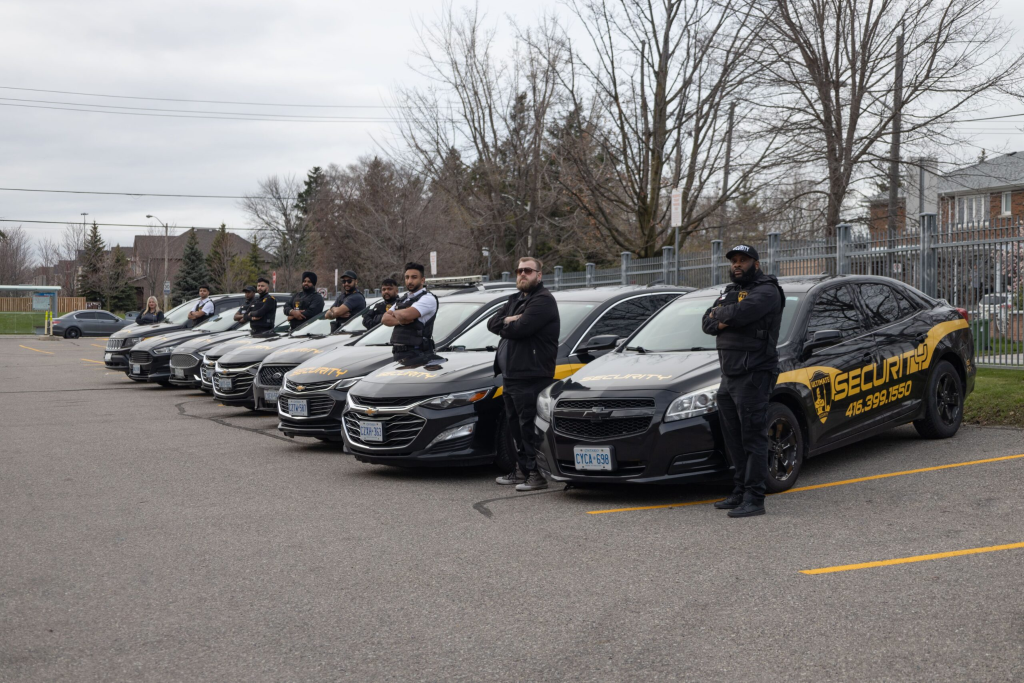
Mobile patrols are worth considering when the property has several garage levels, more access points than onsite staff can reasonably inspect, repeated after-hours parking issues, alarm-response needs, or documented gaps between scheduled staffing periods. The decision should begin with the building’s records and layout, not a vague assumption that the neighbourhood is unsafe.
The USS mobile guard patrol page provides mobile patrols, onsite alarm response, monitoring for suspicious activity, and parking enforcement as parts of that service. It also states that patrol strategies can be tailored to a client’s needs. Ultimate Security’s condo page separately lists mobile patrol, patrols and inspections, parking enforcement, and alarm and incident response for condominium properties.
Patrol instructions should identify what personnel are expected to check and document. Depending on the approved assignment, that might include visitor areas, access points, parking-rule compliance, or a maintenance concern noticed during a patrol. Reports can then show whether the same location, time window, or equipment problem keeps appearing.
A patrol cannot repair a broken gate or make an unclear rule fair. It can add a physical check and a documented response where the existing plan has a defined gap. That distinction helps boards pay for a service tied to an identified need rather than adding activity that residents can see but management cannot evaluate.
Stop Parking and Access Problems From Eroding Resident Trust
One occupied visitor space may look minor on a spreadsheet. To a resident waiting with an elderly parent, a caregiver delayed at the gate, or a property manager handling another complaint, it feels personal. Repeated parking and entry failures can turn an ordinary visit into a test of whether the building’s systems are dependable.
Ultimate Security Services offers several services relevant to that problem. These include security guards, concierge and reception service, mobile patrol, parking enforcement, patrols and inspections, alarm and incident response, remote video monitoring, and remote entry and exit management. Its parking page says USS can assess a parking area and develop a customized enforcement plan, while its condo page says the team can assess a property and create a customized security plan.
That does not mean every condo needs every service. It means a board or property manager can discuss the actual weak point, whether it is enforcement coverage, access credentials, visitor entry, onsite support, remote monitoring, or patrols, and ask USS which of its listed services fits the property.
Do not wait until a guest is stranded or another resident complaint exposes the same gap. Contact Ultimate Security Services to schedule a consultation about your condo’s parking, access, and security needs.
Frequently Asked Questions
How can a Toronto condo reduce unauthorized visitor parking?
Set clear eligibility and time limits, require vehicle registration, connect approval with the guest-entry process, display the rules, and document enforcement. Check every step against the condominium’s governing documents before changing the procedure.
What should a visitor registration process record?
Collect only the information needed for the stated purpose. A practical record may include the unit, licence plate, arrival, departure, and authorization status. Define who may access it and when it should be deleted.
Can a Toronto condo tow an unauthorized vehicle?
Possibly, but the answer depends on the property’s governing documents, authorization, signage, circumstances, and applicable requirements. Boards should obtain qualified advice and confirm that any outside enforcement provider meets current Toronto licensing rules.
Are cameras enough to manage a condo garage?
No. Cameras may provide visibility or records in covered areas, but they cannot operate a failed gate, cancel an obsolete credential, verify every guest, explain the rules, or carry out a response.
When should a condo consider mobile patrols?
Consider patrols when incident records show repeated after-hours problems, a large garage or several access points need physical checks, alarm response is required, or onsite staffing leaves an identified coverage gap.