Are you starting to feel uneasy walking through your Toronto neighborhood? Maybe you’ve noticed cars you don’t recognize parked too long, unfamiliar faces lingering near homes, or unusual noises late at night. These small signs can create a sense of worry, leaving residents wondering if their community is truly safe. If you have asked yourself, “Do I need a neighbourhood watch in my area,” now is the time to take action.
Ultimate Security Services can help guide Toronto residents in creating effective neighbourhood watch programs. A neighbourhood watch allows neighbours to look out for one another, share information, and respond proactively to potential safety concerns. By bringing together interested residents, hosting casual meetings, and setting up clear communication channels, you can build a connected and vigilant community. Regular check-ins and simple patrols not only help prevent crime but also foster trust among neighbours. Taking steps today can make a real difference in the safety and peace of mind of everyone in your Toronto area.
Why You Should Pay Attention to Safety Issues
Safety issues in your neighborhood are not just minor inconveniences, they can have real implications for everyone involved. For starters, when safety concerns rise, property values tend to take a hit. Homes in areas known for crime or safety issues can become less desirable, affecting your investment. Moreover, ignoring these concerns can create a snowball effect, leading to increased crime rates. This can make residents feel unsafe, creating a cycle of fear and avoidance.
On the other hand, communities that actively address safety tend to bond more closely. Discussing safety issues fosters a sense of belonging among residents, encouraging them to look out for one another. This awareness can lead to informed decisions about home security measures, such as installing better lighting or surveillance systems. Additionally, proactive measures can act as a deterrent for potential criminals, making your area less attractive for criminal activity.
Safety concerns can also deeply impact the quality of life and mental well-being of residents. Constant worry about crime can lead to stress and anxiety, affecting daily activities. When neighbors come together to tackle these issues, it cultivates a supportive atmosphere, drawing in new residents who appreciate a proactive community. Ultimately, paying attention to safety issues is not just about protecting property; it’s about enhancing the overall living experience.
Signs Your Area Needs a Neighbourhood Watch
Rising Break-Ins and Vandalism
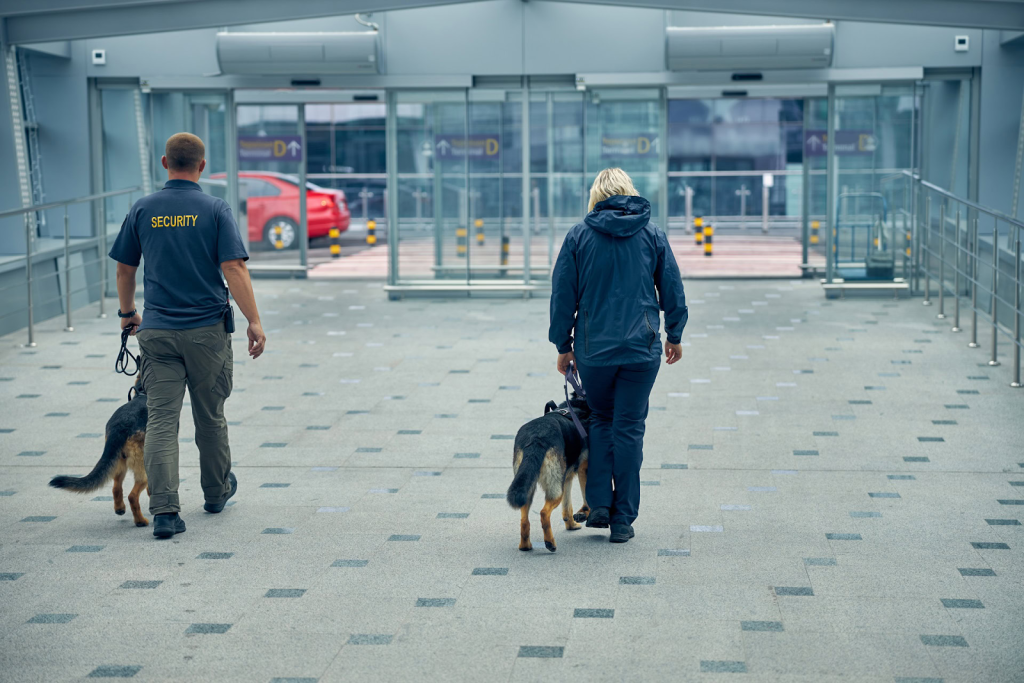
A noticeable increase in home burglaries, property damage, or vandalism is a major warning sign. Even small incidents, such as graffiti on walls, broken mailboxes, or damaged fences, can create a sense of unease among residents. When people feel their property is at risk, anxiety grows, and the community can start to feel unsafe. A neighbourhood watch helps neighbours report suspicious activity quickly and act together to prevent further damage, reinforcing a sense of safety.
Frequent Car Thefts or Attempted Burglaries
Repeated car thefts or attempted break-ins in your area indicate that criminals are targeting the neighbourhood. These incidents not only cause financial loss but also leave residents feeling exposed and anxious. A neighbourhood watch encourages sharing information about suspicious vehicles, patterns of activity, and preventive measures, helping everyone remain vigilant and proactive.
Late-Night Disturbances and Suspicious Activity
Strangers loitering, unusual noises, or ongoing disturbances during nighttime hours can unsettle even long-term residents. Families, elderly neighbours, and those walking home late may feel particularly vulnerable. Keeping track of these patterns through a neighbourhood watch allows residents to respond quickly, report issues to authorities, and restore a sense of normalcy and safety in the community.
Poor Communication Between Neighbours
When neighbours rarely talk, share updates, or check in on one another, safety threats can go unnoticed. Lack of communication can leave residents isolated, reducing collective vigilance. A neighbourhood watch fosters consistent communication through meetings, group chats, or newsletters, creating trust and building a network where everyone looks out for one another.
Low Police Visibility or Slow Response Times
Limited local police presence or delayed response times can heighten anxiety in the community. Residents may feel unprotected, especially if crime is rising. A neighbourhood watch can bridge this gap by keeping residents informed, documenting incidents, and collaborating with Toronto Police Service for timely action, making the neighbourhood feel safer.
Community Concerns About Safety in Shared Spaces
Parks, playgrounds, and common areas that feel unsafe are a red flag for the community. Concerns expressed by multiple residents signal that collective vigilance is needed. A neighbourhood watch organizes attention on these areas, ensuring children and families can enjoy public spaces safely while fostering stronger community bonds.
Increase in Unauthorized Door-to-Door Sales or Solicitors
Frequent visits from unlicensed salespeople or solicitors can indicate potential scams or criminal activity. While these may seem minor, they can signal that the area is being targeted. Tracking these incidents and alerting neighbours through a neighbourhood watch increases awareness and reduces opportunities for exploitation.
Declining Community Engagement
When residents stop attending events or rarely interact with neighbours, the sense of community weakens. Isolation makes it harder to notice and respond to crime. A neighbourhood watch encourages participation in safety meetings, social events, and community patrols, creating an environment where people feel connected and responsible for each other’s safety.
Poor Lighting or Visibility at Night
Dark streets, poorly lit pathways, and lack of streetlights make it easier for criminal activity to occur undetected. Adequate lighting reduces risk and increases comfort for residents walking at night. A neighbourhood watch can work with local authorities to identify problem areas and advocate for improvements, making streets safer for everyone.
What to Do Next: Steps to Start a Neighbourhood Watch

Starting a neighbourhood watch begins with connecting with your neighbours. Invite interested residents to a casual meeting where everyone can share experiences, concerns, and observations about safety. This open dialogue not only highlights specific issues but also begins to build trust and cooperation within the community.
Once you have a clearer understanding, research local crime statistics for your Toronto neighbourhood. Knowing patterns and trends will help shape an effective plan and provide concrete data when discussing concerns with residents or authorities.
Reach out to local law enforcement for guidance. Toronto Police Service can provide insights into crime trends, safety recommendations, and advice on setting up your watch program effectively. Their support strengthens credibility and ensures your neighbourhood watch operates responsibly.
Create a communication plan to keep residents informed about safety updates, meetings, and events. Regularly scheduled meetings allow everyone to share new observations, discuss concerns, and celebrate successes.
Develop a neighbourhood map that highlights areas with safety issues and assign roles to members to ensure tasks are handled efficiently. Organizing community events not only raises safety awareness but also strengthens connections between residents.
Encourage participation through door-to-door outreach and use social media to keep everyone engaged. Consistent communication ensures the neighbourhood watch stays active, responsive, and effective, giving your Toronto community greater peace of mind.
- Gather interested residents to discuss safety concerns
- Research local crime statistics to understand issues
- Contact local law enforcement for support and guidance
- Create a communication plan for residents
- Set regular meetings to discuss updates and concerns
- Develop a neighborhood map to keep track of issues
- Establish roles and responsibilities for members
- Plan community events to promote safety awareness
- Encourage participation through door-to-door outreach
- Utilize social media platforms to keep residents informed
How to Engage Your Community in Safety Efforts
To foster a safer neighborhood, start by hosting community meetings where residents can discuss safety concerns and share their ideas. This open dialogue helps everyone feel involved and valued. Create and distribute flyers or newsletters that provide helpful safety tips and updates on local incidents. Encourage neighbors to share their experiences and observations, as this can build a sense of trust and vigilance among residents.
Utilizing social media is also an effective way to set up a neighborhood watch group, allowing for quick communication and updates. Consider organizing safety training sessions, such as self-defense classes or CPR training, to equip residents with practical skills. Involving local schools in safety discussions can engage families and raise awareness among younger community members.
To motivate participation, offer incentives like prizes for community members who attend meetings or engage in safety activities. Additionally, provide a platform for residents to report their concerns anonymously, ensuring everyone feels comfortable speaking up. Collaborating with local businesses can provide resources and support for your initiatives. Lastly, celebrate your successes together, whether it’s improved safety or increased participation, to keep the momentum going and encourage continued involvement from the community.
Tips for Maintaining a Successful Neighbourhood Watch
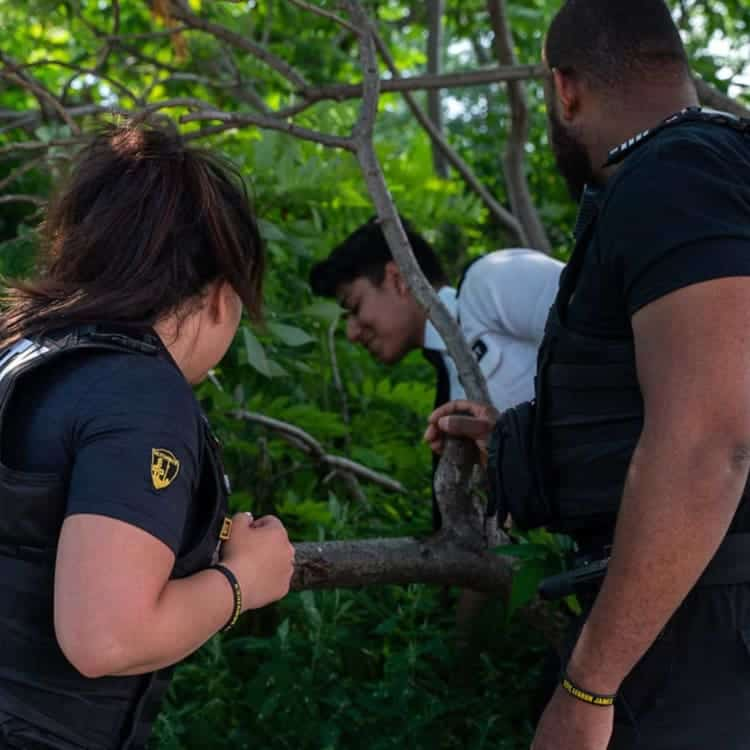
Holding regular meetings is essential for keeping everyone informed and engaged. These gatherings allow members to discuss concerns, share updates, and brainstorm solutions together. Open communication channels are equally important; encourage feedback from participants to ensure everyone feels heard and valued. Recognizing and appreciating the efforts of volunteers fosters a supportive environment, motivating them to continue their contributions.
Adaptability is key as crime trends and community needs can change over time. Stay connected with local law enforcement for guidance and support, which can also enhance the credibility of your watch program. Promoting transparency in decision-making and activities builds trust within the community.
Encourage members to report any changes or concerns they notice, as this collective vigilance can lead to quicker responses to potential issues. Utilizing social media platforms can help keep everyone updated and engaged, creating a vibrant online community. Regularly evaluate and adjust your strategies based on community feedback to ensure your initiatives remain relevant and effective.
Above all, create a sense of community pride and ownership among residents. When people feel a strong connection to their neighborhood, they are more likely to participate actively in safety efforts.
How Ultimate Security Services Can Help Your Toronto Neighbourhood
Creating a safer Toronto community starts with guidance from experts who understand local safety challenges. Ultimate Security Services works closely with residents to design and implement effective neighbourhood watch programs tailored to each area. Our team helps you identify high-risk locations, recognize warning signs, and establish clear communication channels that keep everyone informed.
We support communities in organizing casual meetings, developing neighbourhood maps, and coordinating regular patrols, ensuring residents feel empowered and connected. By bridging the gap between local authorities and your community, Ultimate Security Services provides the tools and strategies needed to respond proactively to suspicious activity.
Our approach goes beyond prevention, it builds trust among neighbours, encourages collaboration, and strengthens the sense of belonging in your Toronto area. With our guidance, starting a neighbourhood watch becomes a structured, effective, and confidence-boosting initiative that truly makes your community safer.
Take the First Step Toward a Safer Toronto Community
Your Toronto neighbourhood deserves to feel safe, welcoming, and connected. A neighbourhood watch is more than a precaution; it is a commitment to protecting your homes, families, and shared spaces while fostering a stronger community spirit. Taking the first step to organize one can prevent crime, reduce anxiety, and create a supportive network of vigilant neighbours.
Ultimate Security Services is here to guide you every step of the way, from planning meetings and mapping high-risk areas to coordinating patrols and communication strategies. Don’t wait until small concerns grow into bigger problems. Reach out today to start building a neighbourhood watch that empowers residents, strengthens safety, and restores peace of mind for everyone in your Toronto community.
Frequently Asked Questions
What are some signs that my neighborhood might need a Neighborhood Watch?
If you notice a rise in suspicious activity, like unfamiliar cars lingering or people loitering at odd hours, it might be time to consider starting a Neighborhood Watch.
How can I tell if crime is increasing in my area?
You can keep an eye on local news, check police reports, or talk to neighbors about their experiences to see if there’s been an uptick in crime.
What steps should I take if I think a Neighborhood Watch is needed?
First, talk to your neighbors to gauge interest, then contact your local police department for support, and look into organizing a meeting.
Can a Neighborhood Watch really make a difference in safety?
Yes, these programs can enhance community ties, promote awareness, and reduce crime by encouraging residents to watch out for one another.
Are there any responsibilities for those in a Neighborhood Watch?
Absolutely, members should stay informed about crime prevention, attend meetings regularly, and be willing to report any suspicious activity to the police.
TL;DR Is your neighborhood feeling a bit unsafe? This blog discusses the signs that indicate a need for a neighborhood watch and why safety matters. Common signs include rising crime rates, frequent suspicious activity, or increased concerns among residents. If you spot these issues, the next step is to establish a watch group. It covers actionable steps to start a neighborhood watch, ways to engage your community, and tips for keeping the watch active and effective.