Quick answer: In Toronto, private properties are the owner’s responsibility: fire routes must stay clear with compliant reflective signage, accessible spaces must meet AODA requirements, and loading zones and permits need consistent enforcement. The City does not police your lot — owners enforce their own rules or hire a licensed agency.
Key takeaways
- Private lots are enforced by owners, not the City.
- Fire routes: always clear, reflective compliant signage, serious fines when blocked.
- Accessible parking must meet AODA count, size and placement rules.
- Loading zones and permit parking need clear posted conditions.
- Professional enforcement keeps documentation consistent.
Navigating Toronto’s parking bylaws can feel overwhelming for property owners. One moment a spot seems clear, and the next, a vehicle is blocking a fire route or taking up an accessible parking space. Misunderstanding these rules can lead to costly fines, frustrated tenants, and even potential liability. Many property owners assume the city handles enforcement, but private properties are the owner’s responsibility. Keeping fire routes open and accessible spaces compliant is essential not just for following the law, but for protecting everyone who visits or lives on your property.
Without consistent monitoring and clear signage, violations can quickly spiral out of control. That is where Ultimate Security Services’ parking enforcement in Toronto help property owners maintain compliance, prevent disputes, and ensure that every vehicle is in its rightful place, keeping properties safe and accessible for everyone.
Understanding Toronto Parking Bylaws
Toronto parking bylaws can be confusing for property owners, especially when rules differ based on property type and neighborhood. Residential, commercial, and industrial properties each have unique regulations that must be followed. Residential properties often focus on visitor parking permits, while commercial lots face stricter rules for loading zones and accessible parking spaces. Enforcement levels also vary across the city, so what is closely monitored in one area might go unchecked in another.
Violating these bylaws can result in fines that range from minor penalties to significant charges for serious infractions, such as blocking a fire route. Since bylaws are regularly updated by city council, staying informed about changes is critical to avoid costly mistakes. Understanding Toronto parking bylaws is not just about compliance; it protects your property, ensures safety for tenants and visitors, and helps maintain property values. Proactive monitoring and working with professional services like Ultimate Security Services can make following these rules manageable, keeping your property safe and well-managed.
Private Property Parking Rules in Toronto
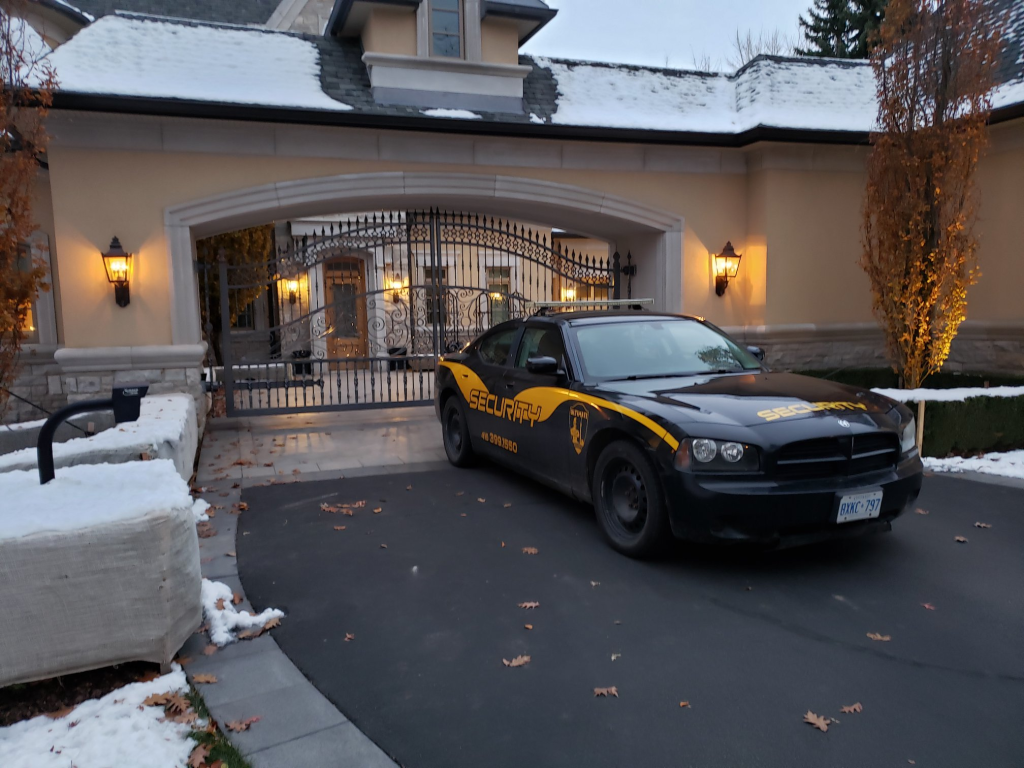
Managing parking on private property in Toronto can be challenging for property owners. While you have the authority to set rules for your lot, it is your responsibility to enforce them clearly and consistently. Without visible signage, drivers may not understand the rules, leading to unauthorized parking, disputes, and frustration for tenants and visitors.
Enforcement rests solely with the property owner. You have the right to tow vehicles parked in violation of your rules, but this is done at your expense. Not all city bylaws automatically apply to private lots, which can create confusion if you assume the city will intervene.
Regular monitoring, clear guidelines for permit holders, and prompt action against violations can prevent parking issues from escalating.
Fire Routes and Signage Requirements in Toronto
Fire routes are one of the most critical parking regulations on any property. They exist for one reason: to give emergency vehicles fast, unobstructed access when every second matters. A single parked car in a fire route can delay first responders and put lives at risk. For property owners, this is not just a safety concern but a serious compliance issue, with fines and legal consequences for blocked access.
Toronto parking bylaws require fire routes to remain clear at all times, and property owners are responsible for regular monitoring and enforcement. Clear, compliant signage plays a key role in preventing violations. Fire route signs must be reflective, visible at night, and positioned where they cannot be hidden by landscaping, snow, or structures. Each sign must clearly state that parking is prohibited, as unclear signage weakens enforcement and increases disputes.
Routine inspections are essential to ensure signs remain visible and in good condition. If a fire route layout changes, signage must be updated immediately. Educating tenants and visitors about fire route rules also helps reduce violations. Maintaining clear fire routes protects your property, supports emergency responders, and reinforces your commitment to safety across your community.
Accessible Parking and AODA Compliance
Accessible parking is essential for ensuring mobility and equal access for individuals with disabilities. These spaces must be larger than standard spots, located near building entrances, and clearly signed to prevent misuse. Property owners in Toronto are legally required to comply with the Accessibility for Ontarians with Disabilities Act (AODA), which specifies the number, placement, and design of accessible spaces based on total parking capacity.
Regular monitoring is critical to ensure these spaces are used correctly and that clear pathways to building entrances remain unobstructed. Misuse can result in fines for violators, and property owners may face liability if requirements are not met. Educating tenants and staff about the importance of accessible parking also promotes a more inclusive environment. Partnering with Ultimate Security Services provides professional enforcement, compliance guidance, and monitoring, helping property owners maintain AODA standards while protecting both their property and the people who rely on these spaces.
Legal Loading Zones: What You Need to Know
Loading zones are critical for keeping deliveries, maintenance, and service vehicles moving efficiently. When these areas are poorly marked or loosely enforced, they quickly turn into problem spots. Unauthorized parking, delivery delays, and blocked access can disrupt daily operations and frustrate tenants and businesses alike.
Under Toronto parking bylaws, loading zones must be clearly designated with visible signage that outlines who can use the space and for how long. Time limits often vary depending on whether the property is residential or commercial, which makes clear rules essential. Without them, drivers are more likely to misuse the space, making enforcement difficult and inconsistent.
Property owners are responsible for setting loading zone rules and ensuring they are followed. In some cases, permits may be required, particularly for commercial properties. Regular monitoring helps prevent abuse, especially during peak delivery hours, while consistent enforcement reinforces expectations. Reviewing loading zone usage over time also allows owners to adjust placement or time limits as property needs change.
Well-managed loading zones reduce congestion, support smooth operations, and help keep properties compliant.
Permit Parking on Private Property
Permit parking is one of the most effective ways to control parking on private property, but only when it is managed and enforced properly. Common permit types include tenant permits, visitor permits, and employee permits. Each serves a different purpose, and confusion often starts when the rules around them are unclear or inconsistently applied. When residents cannot find their assigned spaces or visitors misuse permits, frustration builds quickly.
Enforcement is where most permit systems break down. Forged or shared permits, outdated paper passes, and inconsistent checks make it difficult to identify authorized vehicles. Without regular monitoring, unauthorized parking becomes routine, leaving legitimate permit holders without access and property owners dealing with complaints and disputes.
Clear signage, well-communicated permit rules, and consistent patrols are essential. Many property owners are also moving toward digital permit systems to reduce abuse and improve tracking. Partnering with a professional parking enforcement provider like Ultimate Security Services adds structure and accountability, helping ensure permit parking works as intended while protecting your property from ongoing issues and liability.
Active Enforcement of Parking Bylaws

Active parking enforcement plays a critical role in keeping Toronto properties safe, organized, and fair for everyone who uses them. Posting signs alone rarely solves the problem. Without a regular enforcement presence, unauthorized parking, blocked fire routes, and misuse of designated spaces quickly become routine. When violations go unchecked, frustration builds among tenants and visitors who follow the rules and expect the same standards from others.
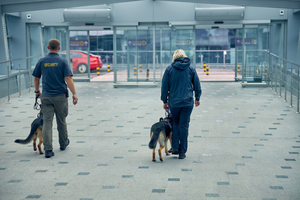
Consistent monitoring sends a clear message that parking bylaws are taken seriously. This is where a professional partner like Ultimate Security Services makes a real difference. Their trained enforcement teams provide routine patrols, identify repeat offenders early, and address issues before they escalate into ongoing disputes. Proper documentation is a key part of this process. Detailed reports help resolve complaints, support enforcement actions, and protect property owners if challenges arise.
Clear consequences encourage compliance and change behavior over time. Open communication with tenants about parking rules sets expectations from day one. With the support of technology such as digital permits and patrol reporting, Ultimate Security Services helps create a parking environment that feels orderly, fair, and well managed.
Role of Professional Parking Enforcement in Toronto
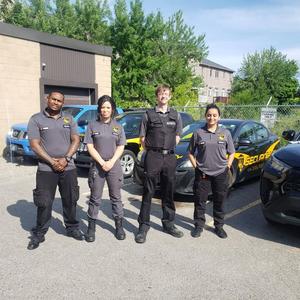
Professional parking enforcement plays a key role in helping Toronto property owners stay compliant without added stress. Parking bylaws are detailed, and small oversights can quickly turn into fines, complaints, or strained tenant relationships. Partnering with a trusted provider like Ultimate Security Services removes that burden by bringing experience, consistency, and local knowledge to every property they manage.
Ultimate Security Services conducts regular patrols that discourage violations before they become routine problems. Their trained officers understand Toronto parking bylaws and apply them fairly, which helps reduce disputes and builds trust with tenants and visitors. When issues do arise, their team handles them professionally, allowing property owners to stay focused on running their buildings.
Technology also plays an important role. Ultimate Security Services uses detailed reporting and violation tracking to support every enforcement action with clear documentation. They also assist with proper signage placement to meet city requirements and improve visibility. Most importantly, their approach is never one size fits all. Each property receives a customized enforcement plan based on its layout, usage, and risk areas. With consistent reporting and ongoing support, Ultimate Security Services helps create safer, more organized parking environments across Toronto.
Take Control of Parking Before It Becomes a Problem
Parking issues rarely stay small. What starts as a blocked fire route or a misused accessible space can quickly turn into fines, tenant complaints, safety risks, and legal exposure. Toronto’s parking bylaws place the responsibility squarely on property owners, and hoping problems resolve themselves often leads to bigger headaches down the line. Clear rules, visible signage, and consistent enforcement are not optional if you want a property that feels safe, fair, and well managed.
This is where the right partner makes all the difference. Ultimate Security Services helps Toronto property owners move from reactive problem solving to proactive control. With experienced enforcement teams, detailed reporting, and customized parking strategies, they help protect your property, your tenants, and your peace of mind.
If parking issues are costing you time, money, or trust, now is the moment to act. Contact Ultimate Security Services today to discuss a parking enforcement solution designed for your property and built to keep problems from coming back.

Frequently Asked Questions
What are Toronto’s parking bylaws and why do they matter for property owners?
Toronto’s parking bylaws are rules that govern where and how vehicles can be parked in the city. They matter for property owners because not following these rules can lead to fines, towing, or other legal issues.
How do the parking bylaws affect residential properties in Toronto?
The bylaws set guidelines for how many vehicles can be parked on residential properties, where they can be parked, and if permits are needed. Understanding these rules helps property owners avoid penalties.
Are there specific parking restrictions for commercial properties in Toronto?
Yes, commercial properties have stricter parking regulations, including designated spaces and requirements for accessible parking. These rules aim to manage traffic flow and ensure safety.
What happens if I violate Toronto’s parking bylaws as a property owner?
If you violate the parking bylaws, you could face fines, and in some cases, vehicles may be towed. It’s important to stay informed about the rules to avoid these penalties.
How can property owners stay updated on changes to parking bylaws in Toronto?
Property owners can stay updated by checking the City of Toronto’s official website, attending community meetings, or subscribing to city newsletters for major changes or updates on parking regulations.
TL;DR Toronto parking bylaws can be complicated and often misunderstood, especially for property owners. It’s essential to know how these rules apply to private property, including fire routes and accessible parking spaces. Property owners need to understand their responsibilities and the importance of proper signage and enforcement to avoid fines and legal issues. Active enforcement, possibly through professional services, helps maintain compliance and keep properties safe. Awareness of common mistakes, permit parking challenges, and the need for ongoing monitoring is vital for owners to protect their properties and manage parking effectively.
Keep fire routes and accessible spaces compliant — book a USS lot review at (416) 399-1550.
Related: anchor: “private property parking enforcement in Ontario” · anchor: “parking enforcement in Toronto” · anchor: “what a parking enforcement officer does” · anchor: “get a compliance review”